


When it comes to workplace safety, choosing the right safety work clothing is just as important as using the right tools and machinery. Whether you work in welding, construction, manufacturing, oil & gas, electrical maintenance, or outdoor environments, proper workwear protects workers from injuries and improves productivity.
In this blog, we will discuss the importance, types, key features, and safety standards of work clothing—helping buyers choose the best protective apparel for their needs.
Why Safety Work Clothing Matters
Every industry has unique risks, and the right clothing helps prevent:
🔥 Burns from sparks, molten metal, or chemicals
⚡ Electric arcs or static discharge
🩺 Cuts, abrasions, and punctures
👕 Heat stress or extreme temperatures
💧 Water, oil, and chemical contact
🌫 Dust and environmental hazards
High-quality safety clothing not only protects workers but also increases confidence, reduces downtime, and ensures compliance with international safety standards.
Types of Safety Work Clothing
Here are the most commonly used categories:
1. Flame-Resistant (FR) Clothing
Designed for welders, foundry workers, and industries dealing with sparks or fire.
Includes:
FR Coveralls
FR Jackets
Aluminium-Coated Welding Suits
Heat-resistant aprons & gaiters
Purpose: Protection against heat, molten metal splashes, and radiant heat.
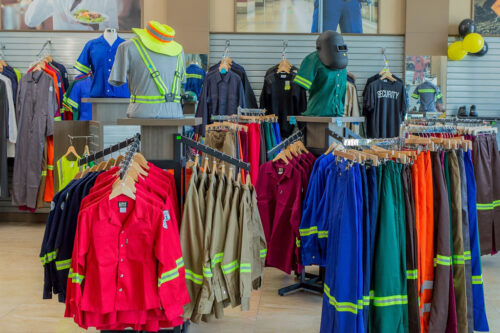
3. Industrial Workwear
Durable clothing used in factories, workshops, and general labor environments.
Includes:
Cotton or Poly-Cotton Coveralls
Work Shirts & Trousers
Utility Vests
Purpose: Comfort, durability, and basic protection.
4. Cold-Weather & Thermal Clothing
Perfect for outdoor jobs, cold storage, and winter sites.
Includes:
Thermal Jackets
Quilted Coveralls
Insulated Gloves
Hooded Sweatshirts
Purpose: Maintaining body warmth and preventing cold injuries.
5. Chemical-Resistant Clothing
Essential for laboratories, chemical plants, and cleaning industries.
Includes:
PVC Coats
Rubber Aprons
Chemical-resistant Coveralls
Purpose: Protection from harmful liquids, acids, and oils.
Key Features to Look For in Safety Clothing
When selecting professional workwear, consider:
- ✔ Durable fabric (cotton, aramid, Kevlar, polyester blends)
- ✔ Heat & flame resistance (for welding/industrial environments)
- ✔ Comfort & breathability for long working hours
- ✔ Reinforced stitching for strength
- ✔ Reflective tape for visibility
- ✔ Multiple pockets for tools
- ✔ Water & oil resistance for outdoor or industrial conditions
- ✔ Proper sizing and fit to ensure mobility
International Safety Standards
Reliable safety clothing should comply with important standards such as:
- EN ISO 11612 – Heat & flame protection
- EN ISO 20471 – High visibility clothing
- EN 343 – Protection against rain
- NFPA 2112 – Flame-resistant garments
- ANSI/ISEA – U.S. safety wear standards
Benefits of High-Quality Safety Clothing
- Reduces risk of workplace injuries
- Improves worker performance
- Enhances company professionalism
- Helps meet safety regulations
- Long-lasting and cost-effective
Conclusion
Safety work clothing is an essential investment for every company. Selecting the right garments ensures worker protection, boosts productivity, and maintains safety compliance. Whether you need welding protection, industrial workwear, hi-vis apparel, or cold-weather gear, always choose reliable and certified products.


